
- Details
- News
- Video
- Report
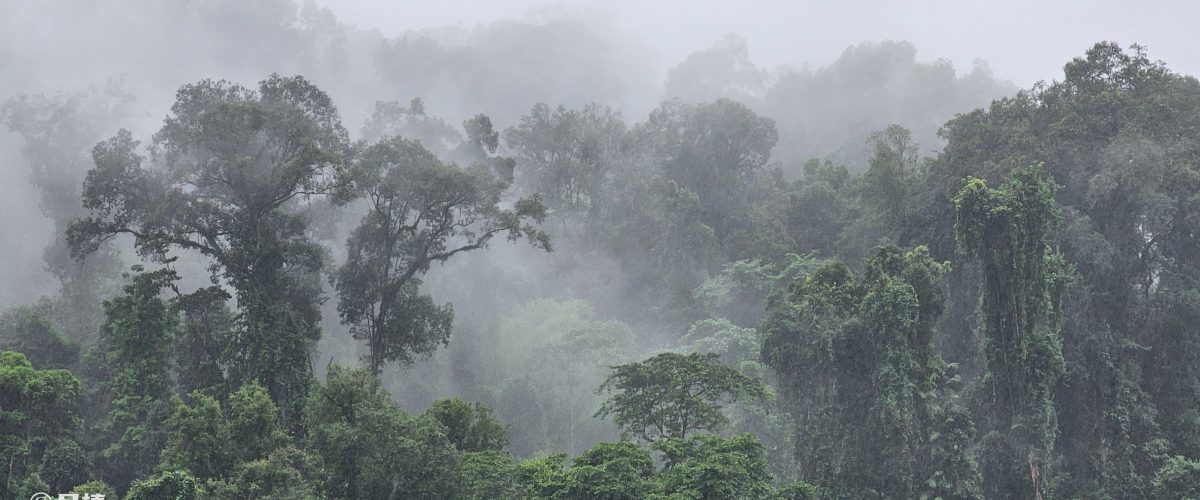
In the Nagqu and Ngari regions, efforts focus on monitoring and conserving endangered species such as snow leopards, wild yaks, and black-necked cranes, while supporting the development of nature education, public outreach, and science communication in national parks. In the Yarlung Tsangpo Grand Canyon region of southeastern Tibet, conservation efforts target apex predators such as Bengal tigers, clouded leopards, and dholes, as well as other threatened flora and fauna and old-growth forests. Baseline biodiversity surveys are conducted to strengthen foundational data and provide scientific evidence to inform conservation measures and policy recommendations. In response to challenges including human–wildlife conflict, human disturbance, and climate change, a range of mitigation measures are being piloted, including a human–wildlife conflict fund, capacity building for conservation management, the “Orchids Back to the Wild” initiative, and anti-poaching efforts.
In terms of community conservation and sustainable development, SSCC works with villages such as Gelin and Hezha in Medog County, Shan Shui integrates natural and cultural resources to develop ecotourism experiences that combine outdoor hiking, nature observation, nature education, and traditional ecological and cultural experiences. At the same time, efforts are underway to develop interpretation systems, train and build the capacity of local nature guides, improve institutional and operational mechanisms, and upgrade complementary homestay and dining experiences. These initiatives explore alternative livelihood opportunities and support rural revitalization and local economic development.
Building on the findings of biodiversity and traditional ecological knowledge surveys, Shan Shui also develops public outreach and educational materials. Through nature observation festivals, biodiversity and culture exhibitions, and other science communication activities, these efforts promote awareness of the biodiversity of Medog and the Yarlung Tsangpo Grand Canyon and strengthen public awareness of conservation.