International Potential OECM Case | Josefovské Louky Bird Park, Czech Republic —— From the Lost Land to a Bird Paradise
|
Introduction: The concept of OECMs has received extensive global attention, and multiple countries have already carried out OECM localization practices, exploring OECM standards and pathways that suit their national conditions. The experiences of these countries in management mechanisms, conservation practices, and other aspects provide valuable references for promoting the development of OECMs in China. As part of the OECMs Policy Dialogue Project supported by the China Biodiversity Facility (CBF), an European Union-funded program implemented by AFD, this work reviews several representative potential OECM cases in Europe to facilitate knowledge sharing and exchange on OECM implementation. This article presents the case of the Josefovské louky Bird Park in the Czech Republic, managed by the non-governmental organization Czech Society for Ornithology (CSO). With the support of the GEF Small Grants Programme (SGP) and the United Nations Industrial Development Organization (UNIDO), in February this year, colleagues from Shan Shui visited this park and had an in-depth discussion with Břeněk Michálek, the person in charge of the park, about conservation practices, experiences and challenges. |
Josefovské louky Bird Park is located in the suburbs of Jaroměř, Hradec Králové Region in northeastern Czech Republic, situated on the floodplain between the Metuje River and its old course, the Stará Metuje River. The park is privately owned and managed by the Czech Society for Ornithology (CSO), and has been open to the public for a long time. Since CSO began purchasing land in 2006, the park has expanded to more than 70 hectares, becoming one of the representative cases of NGO-led ecological conservation and restoration in the Czech Republic. At present, the park is not part of the national nature reserve system and holds potential to qualify as an OECM.
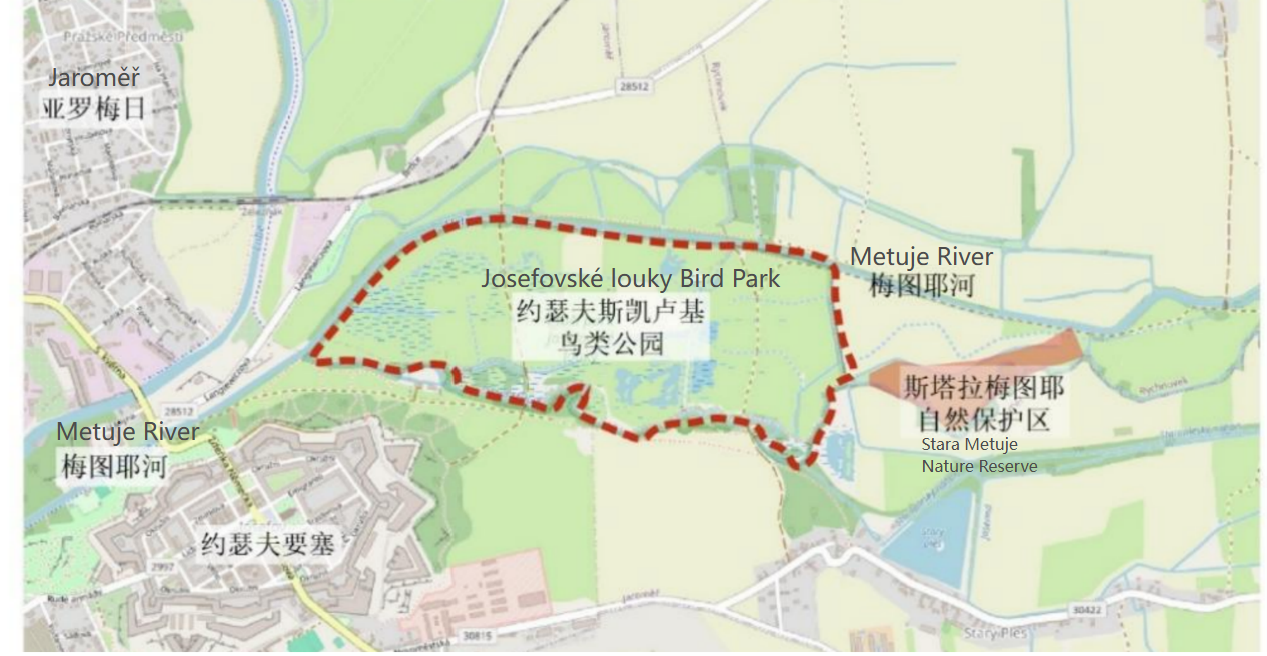
Location of Josefovské louky Bird Park, map made by Yang Aici
Site Overview
The ecosystem configuration of the park originated from the ancient irrigation system of the Metuje River. Historically, this area was a typical seasonal wet meadows, characterized by spring inundation and autumn water recession, which provided rich habitats for wading birds, amphibians, and numerous invertebrates. However, since the 1990s, due to agricultural restructuring and the abandonment of the irrigation system, the meadows have dried out, and agricultural intensification has led to a sharp decline in wading bird populations.
Since the official establishment of Josefovské Louky Bird Park in 2008, the Czech Society for Ornithology (CSO) has focused its restoration efforts on re-establishing wetland ecosystems and promoting biodiversity, and has implemented a series of conservation measures to maintain species diversity in the wetland. Under the management of CSO, the park adheres to the concept of “bird park, people’s park” and has successfully shaped itself into a typical example of ecosystem restoration and socially engaged conserved area in the Czech Republic.
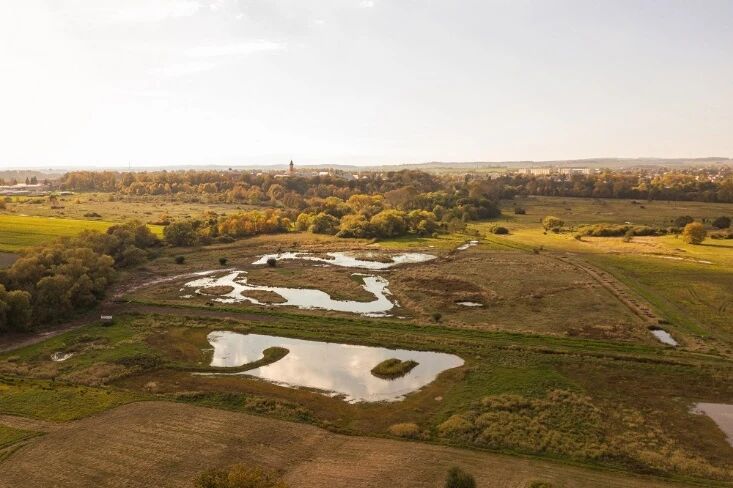
Aerial view of Josefovské Louky Bird Park, source: https://www.birdlife.cz/potomci-lucniho-hajneho-na-josefovskych-loukach-vyznamne-podporili-ptaci-park-rozroste-se-o-6-hektaru/
The Josefovské Louky Bird Park has a rich variety of animal and plant species and has high conservation value in terms of biodiversity. In the ten years since the park was established, 205 bird species, 30 fish species, 8 amphibians, 3 reptiles and 36 mammals have been recorded.
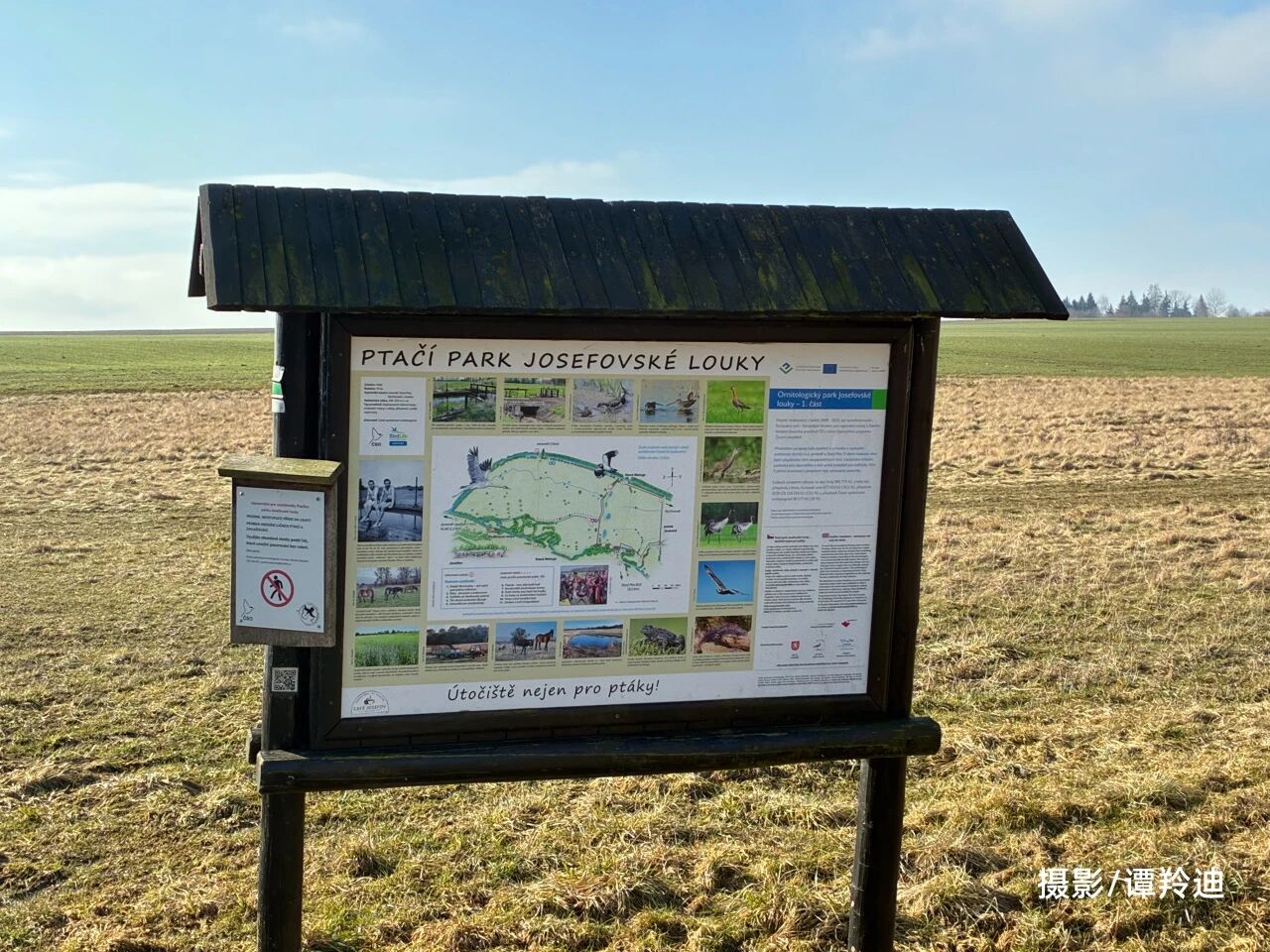 Information board at the park entrance
In terms of birds, the most common species in the park include the common snipe, northern shoveler, redshank. Dozens of bird species, such as the lapwing, pintail snipe, and water rail, which rely on wetland meadows and ponds have established stable breeding populations within the park. Additionally, the area has also seen the return of several migratory and nesting species, including the short-eared owl, common crane, northern shoveler, and garganey.
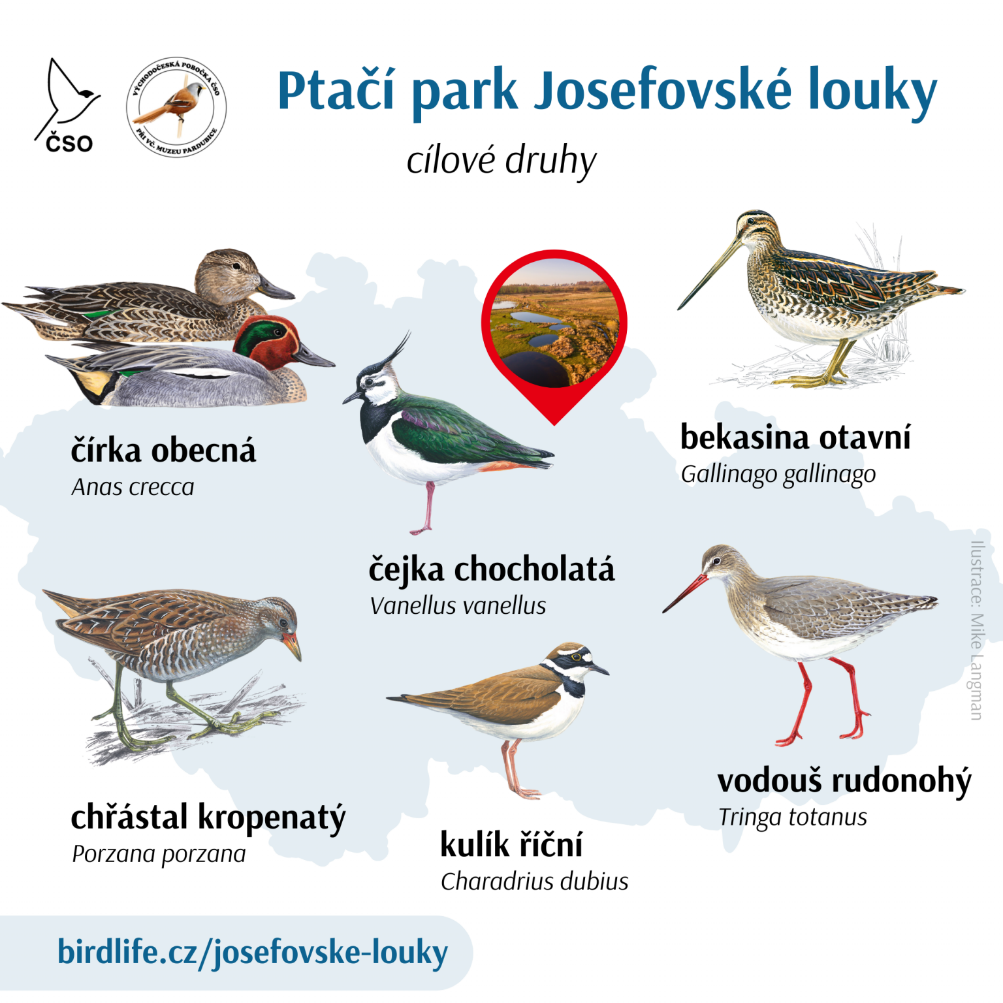
Some of the birds living in Josefovské Louky Bird Park
source: https://www.birdlife.cz/rezervace/josefovske-louky/
Governance and Management
CSO in cooperation with the Jaro-Jaroměř Branch of the Czech Union for Nature Conservation, along with other stakeholders, jointly form a long-running governance and management structure of the Josefovské Louky Bird Park. The two organizations jointly form a management committee responsible for decision-making on conservation and site management. They also work closely with local authorities, farmers, small hydropower plant owners, donors, and volunteers, engaging in continuous communication and negotiation to ensure broad stakeholder participation in the management process. Gradually, a co-governance model led by NGOs, coordinated by the government, and participated in by the local community has been formed, effectively balancing the relationships among ecosystem conservation, community interests, and resource utilization.
|
Czech Society for Ornithology (CSO) |
Jaro-Jaromierz Branch |
Local government |
Local farmers (community) |
|
|
|
|
|
It’s hard to imaging that such a large and meticulously managed conserved area operates with Břeněk Michálek, the only one full-time manager. Its efficient operation relies heavily on an “agile” volunteer network. This network includes not only corporate employees who participate in regular team-building events for manual mowing but also an “emergency response team” composed of local retirees and young nature enthusiasts. When urgent tasks arise, such as clearing silt, repairing dams, or moving hay, the manager can assemble dozens of volunteers in a short time with just a phone call or email, significantly reducing the operational costs of the conserved area.
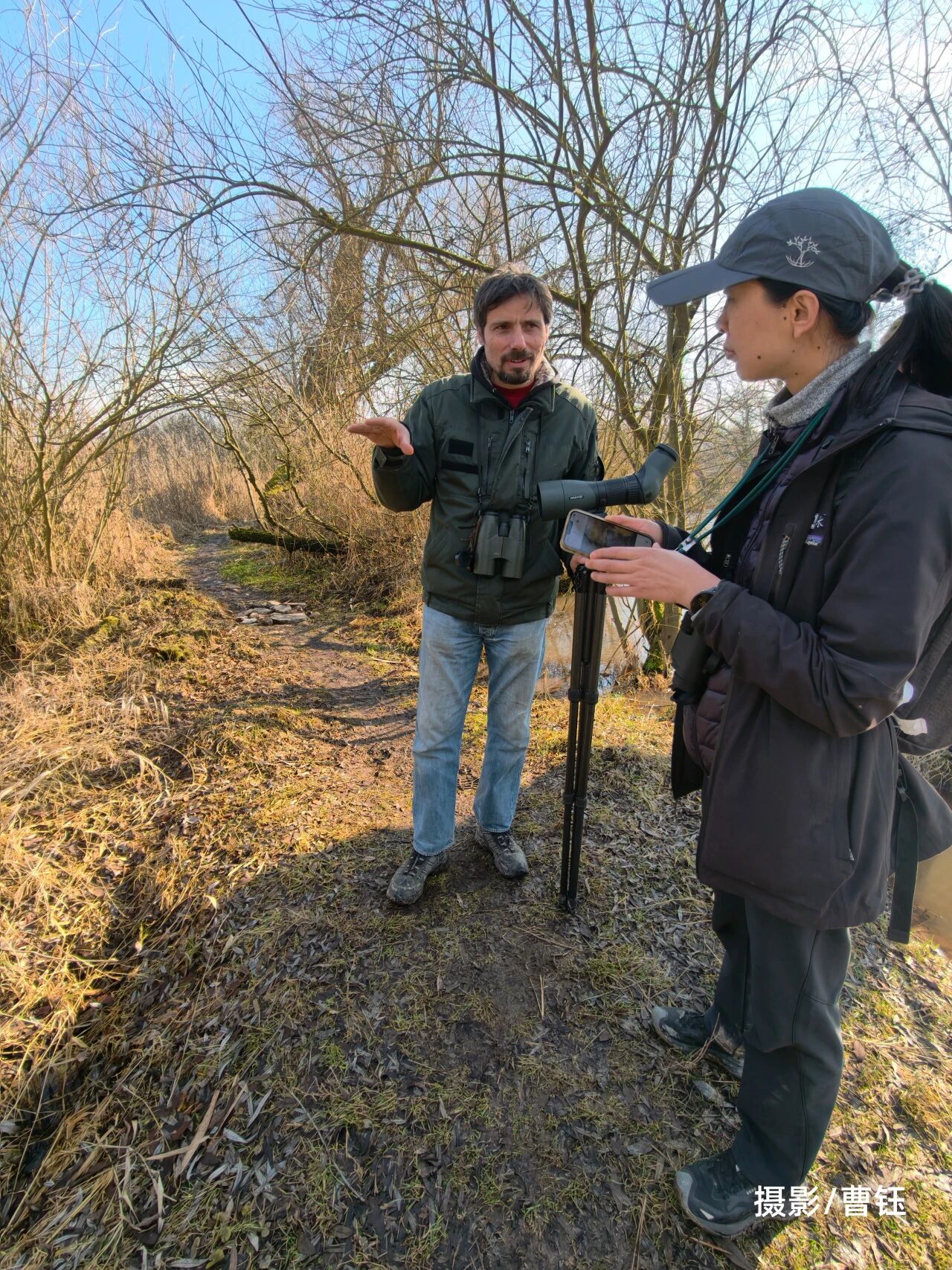 Břeněk Michálek, the person in charge of the park, showed the Shanshui colleagues around the park.
In terms of funding, the maintenance and restoration of the bird park have received support from Czech and EU policy subsidies, such as the Environmental Action Plan, the German Federal Environment Foundation, and the National Landscape Restoration Program. In addition, the core funds for land purchase come from targeted donations from individuals and legal entities, as well as the “Adopt a Meadow” public fundraising campaign jointly launched by CSO, the Hradec Králové Region Subsidy Program, and the Partnership Foundation. The crowdfunding project encourages citizens and enterprises to make regular donations for the land purchase, maintenance, and restoration of the meadow ecosystem. Natural education activities also provide a sustainable supplementary source of funds for the operation of the bird park. From 2013 to 2015, a total of 1,300 visitors participated in school-organized educational activities, and the related income was used for interpretation and maintenance expenses, forming a self-circulating mechanism of “education feeding back into conservation.” Meanwhile, benefiting from the Common Agricultural Policy, farmers also receive subsidies when managing meadows, which serves as an important economic subsidy for maintaining meadows. It is worth noting that although the area has been completely transformed for nature conservation, CSO has deliberately maintained its legal status as “farmland.” Thanks to the inclusive nature of EU agricultural policies (which allow the creation of shallow ponds and ecological features within farmlands), this approach not only complies with regulations but also allows farmers who conduct limited mowing on the periphery to continue receiving EU agricultural subsidies, even if they do not sell the hay. This mechanism significantly reduces conflicts between conservation and agriculture, serving as a crucial hidden financial pillar for the park’s operation.
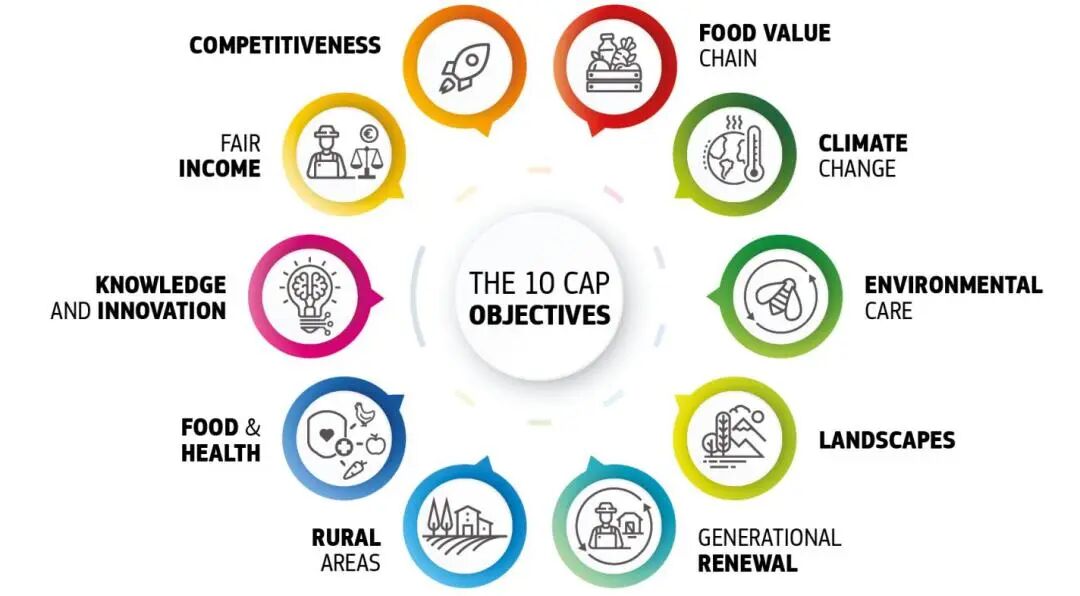
The ten objectives of the EU Common Agricultural Policy cover not only enhancing the competitiveness of agricultural products and protecting farmers’ rights and interests, but also preserving landscapes and biodiversity, along with many other aspects. (Source: https://agriculture.ec.europa.eu/common-agricultural-policy/cap-overview/cap-glance/key-policy-objectives-cap-2023-27_en)
Nevertheless, the park’s development has not been without challenges. In the early days, a large local agricultural company refused to allow conservation staff to cross their land, halting the wetland excavation. However, a turning point occurred when the company was acquired by a local entrepreneur. The entrepreneur’s grandfather had been a maintenance worker for the old irrigation system years ago. Driven by a deep emotional connection and nostalgic memories of the land, the new owner immediately changed the company’s stance, providing immense support and convenience for the park’s infrastructure development. This case vividly illustrates the importance of tapping into historical emotional bonds within the community to overcome conservation barriers in OECM practices.
Conservation Actions and Outcomes
Josefovské Louky Bird Park has implemented multiple targeted measures to address multiple ecological and management threats, including human interference, degradation of irrigation systems, declining farmer participation, spread of invasive plants, and limited community conservation awareness.
CSO initiated the systematic restoration of the historical irrigation canal network in the early stages of the project, re-dredging the old Metuje River channel, and built 10 new small diversion gates, enabling the new irrigation system to simulate the natural flood process during the spring and autumn seasons. Building on this restored hydrological regime, CSO excavated a large pond of approximately 1.5 hectares and established 21 smaller ponds of varying depths. The stepped configuration of these ponds significantly enhances the foraging efficiency of wading birds, while providing stable breeding and overwintering habitats for waterfowl and amphibians.
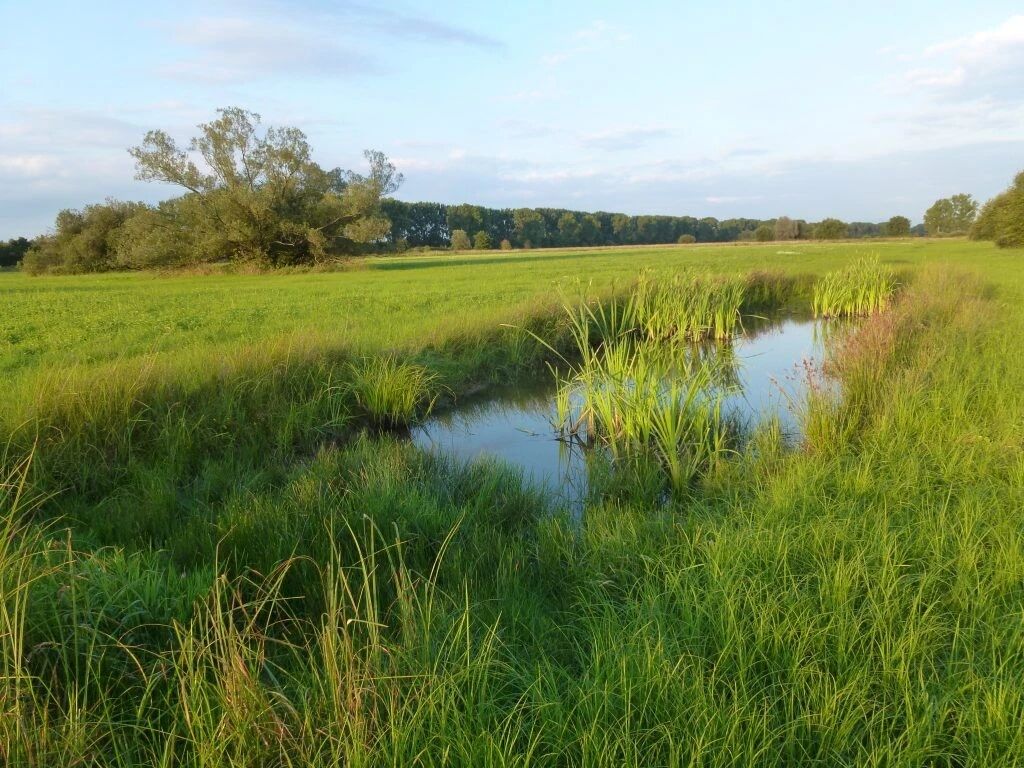
Wetlands Restoration in the Bird Park
Source:https://www.birdlife.cz/rezervace/josefovske-louky/o-parku-2/soucasny-rozvoj-parku/jezirka/
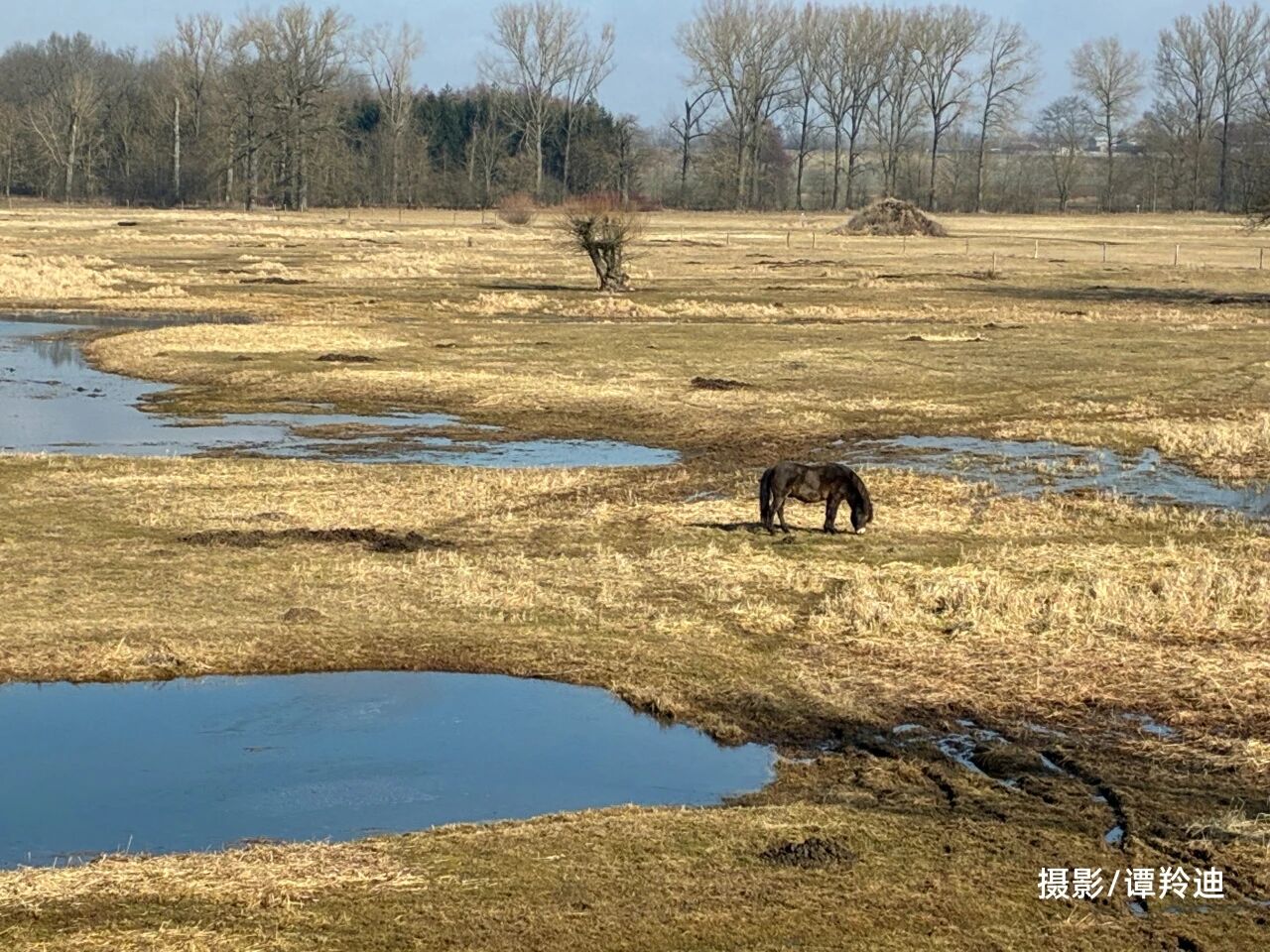
CSO has also introduced grazing management in the park. By introducing wild horses from Milovice to graze in the meadows, a low and bare grass layer is formed on the meadows, creating an ideal foraging and breeding environment for waterbirds. Meanwhile, the activities of wild horses in shallow water areas can prevent the water body from being overgrown by aquatic plants, maintaining the openness of the wetland. The manure of wild horses also provides a rich food source for insectivorous birds such as wagtails, further enhancing the integrity of the ecosystem’s food chain. In addition to wild horses, the park has introduced back-bred Aurochs (Bison bonasus). Although the original European Aurochs went extinct in the 17th century, these cattle, sourced from the Netherlands, have been “reverse-bred” to retain the wild traits and appearance of their ancestors. They possess high environmental resilience and require no artificial housing or winter supplementary feeding (low-maintenance). The grazing patterns of the Aurochs complement those of the wild horses; together, their distinct grazing and trampling behaviors further diversify the wetland’s micro-topography, creating an ideal “mosaic” habitat for wading birds.
The grazing activities of wild horses from Milovice create suitable habitats for birds
 |
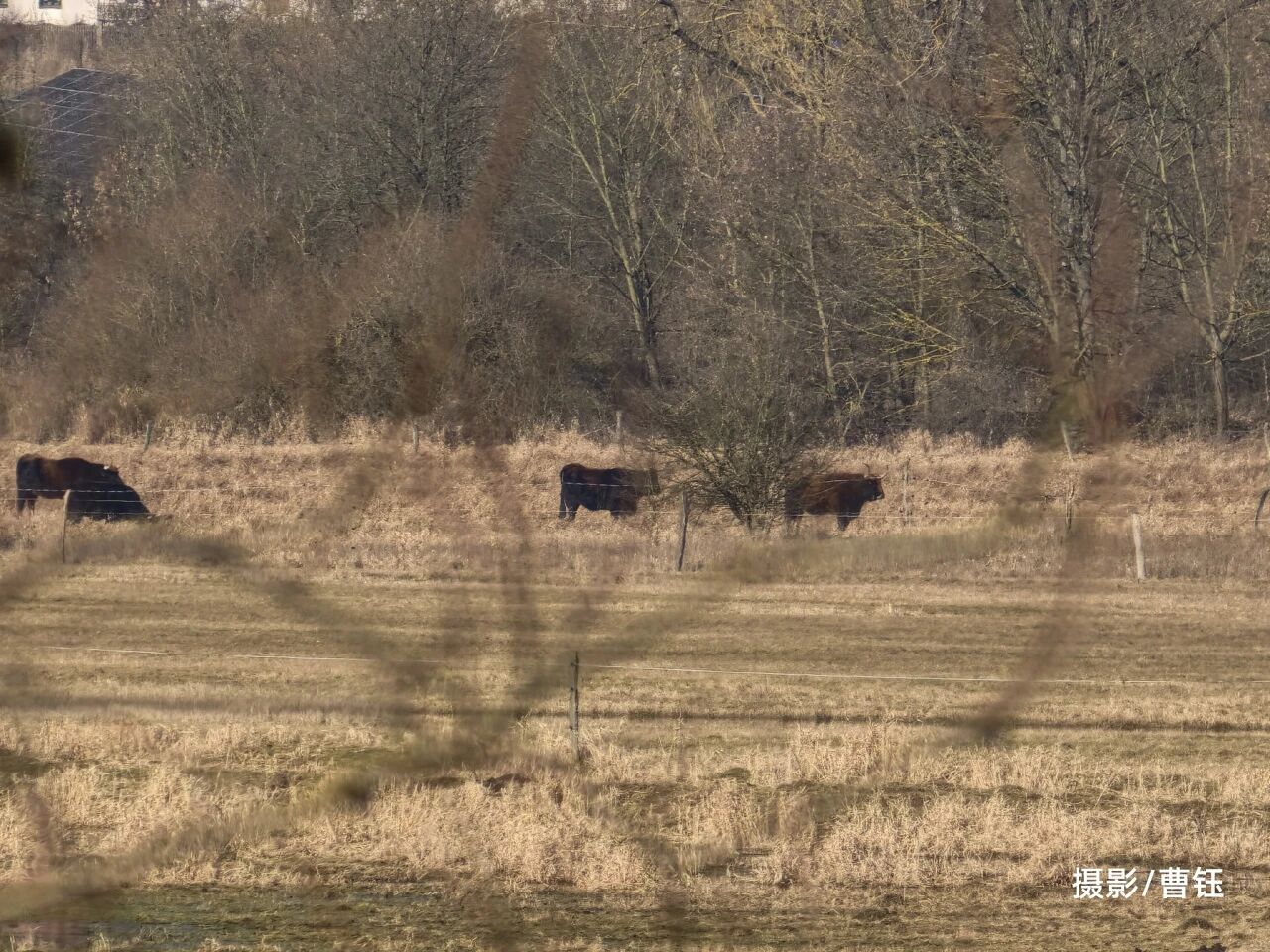 |
The Aurochs creating an ideal “mosaic” habitat for wading birds together with the wild horses
Under the management requirements of CSO, farmers are required to adopt a “delayed mowing” regime to minimize the risk of destroying bird nests and eggs during the breeding season. CSO and farmers agree on the mowing time and method through contract signing, avoiding the use of large machinery in areas with high-intensity bird activity. Such management practice reduces the immediate mortality risk to insects, amphibians, and ground-nesting birds associated with conventional early-season mowing, while also providing a more stable foraging environment and habitat conditions for birds and other plant and animal communities.
Regarding threat management, the park faces severe threats to bird breeding from invasive mammals such as the American mink and coypu. Because CSO owns the land, they have the authority to set rules, successfully transforming local hunters—who were initially in conflict with them—into conservation partners. Hunters are permitted to legally hunt these invasive species and overpopulated foxes, effectively protecting ground-nesting birds. Furthermore, managers must dynamically intervene in the activities of native beavers, whose dam-building can sometimes cause uncontrollable flooding that destroys bird nests.
In addition, CSO, together with the Jaro-Jaroměř, has established a monitoring and patrol team. Local farmers and volunteers are responsible for conducting regular patrols, supervising activities such as poaching, illegal drainage, and garbage dumping. Regarding the threat of invasive species, CSO identifies hotspots of invasive species spread through annual or biennial transect monitoring and implements mechanical measures to maintain the integrity of the plant community structure.
The implementation of systematic restoration measures has generated to a recovery trend in the biodiversity of Josefovské Louky Bird Park, with improvements in bird diversity and population, as well as the quality of habitats. Multiple wetland bird species highly sensitive to hydrological conditions such as black-winged stilts, common sandpipers have re-established populations within the park. The return of multiple rare and endangered species (such as black-tailed godwits) has also been recorded.
The park has also become a platform for nature education, closely integrating ecosystem conservation with public participation through regularly organizing a variety of activities such as nighttime nature exploration, winter bird-watching events, and its annual “Bat Night” program.
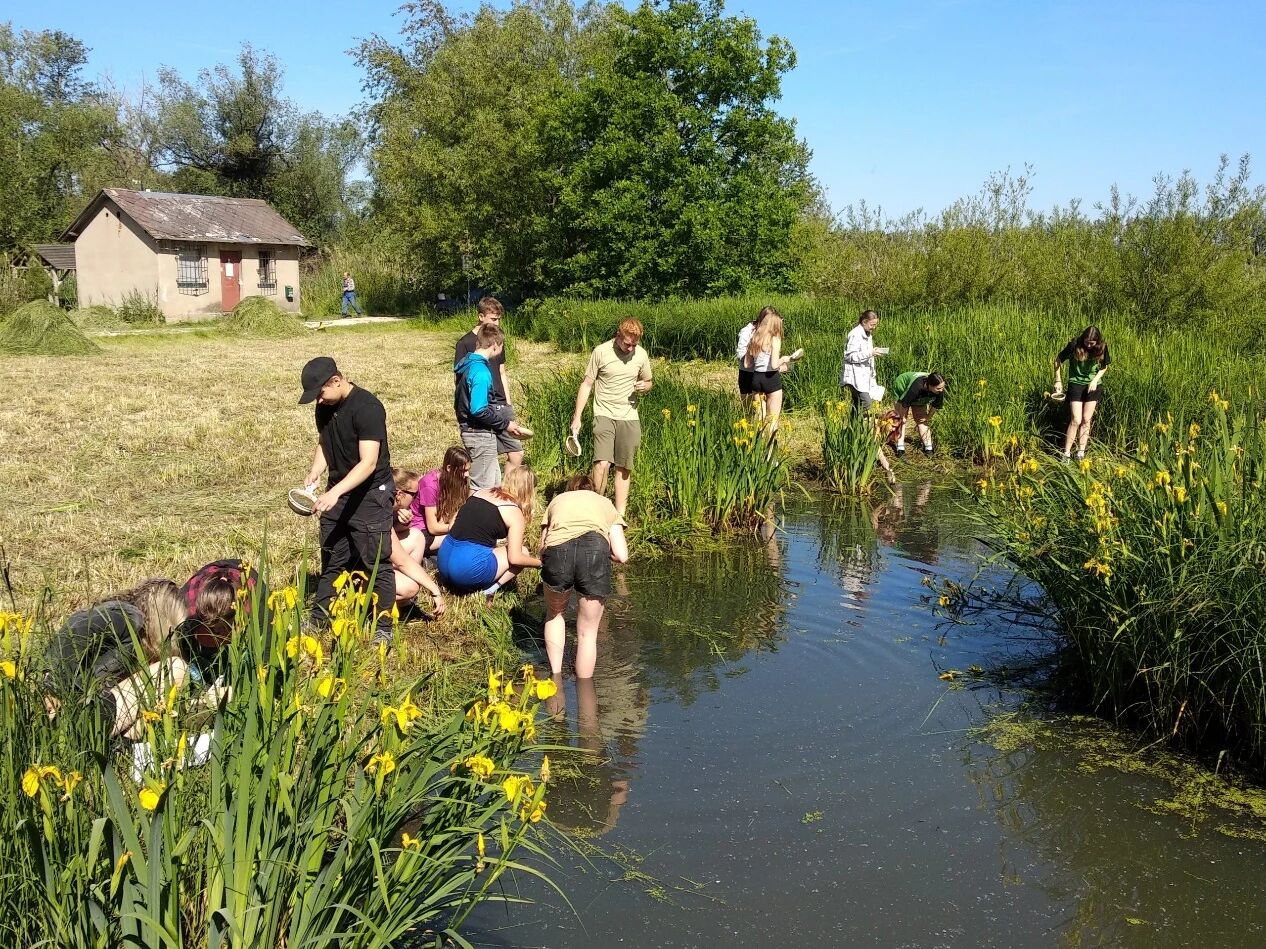
Nature education activities carried out by the Bird Park
Source:https://www.zaghorice.cz/ptaci-park-josefovske-louky-3/
Future Outlook
The future development of Josefovské Louky Bird Park still faces some uncertainties. Although the park has established a co-governance model led by CSO with participation from government and local communities, its long-term operations remain dependent on subsidies provided through the Common Agricultural Policy (CAP) and Agri-environment-climate measures (AECM). In addition, the park’s funding structure still mainly consists of periodic project grants and social donations, lacking a sustainable long-term financial source. Now CSO is actively working to improve these gaps and strengthen the park’s long-term sustainability.
Meanwhile, CSO is continuously carrying out land acquisition work to further expand the bird park, create habitat for rare and endangered species such as the red-footed falcon, and gradually promote the improvement of infrastructure such as bird-watching facilities and visitor centers to provide tourists with a richer nature education experience.
At the regional scale, CSO plans to build additional bird parks drawing on the successful experience of the Josefovské Louky Bird Park, with the aim of establishing a more comprehensive national bird conservation network. Currently, three bird parks are under development, and CSO has also set a long-term goal of establishing at least one bird park with an area of no less than 50 hectares in each administrative district of the Czech Republic by 2042, contributing to the creation of a national nature conservation network that combines conservation functions with social value.
When asked whether they hope to integrate the park into the official national nature reserve system in the future, CSO gave a negative answer. They believe that maintaining the independent property and management rights of an NGO frees them from cumbersome official management plans, allowing for the fastest and most dynamic responses to ecological changes (such as adjusting water levels or grazing strategies at any time). This perfectly aligns with the core philosophy of OECMs—focusing on actual conservation outcomes rather than official protected area status. In the future, CSO hopes to integrate this network of bird parks into the compliance framework of the newly passed EU Nature Restoration Law, exploring pathways to secure more national-level climate and ecological restoration funding while maintaining their management independence.
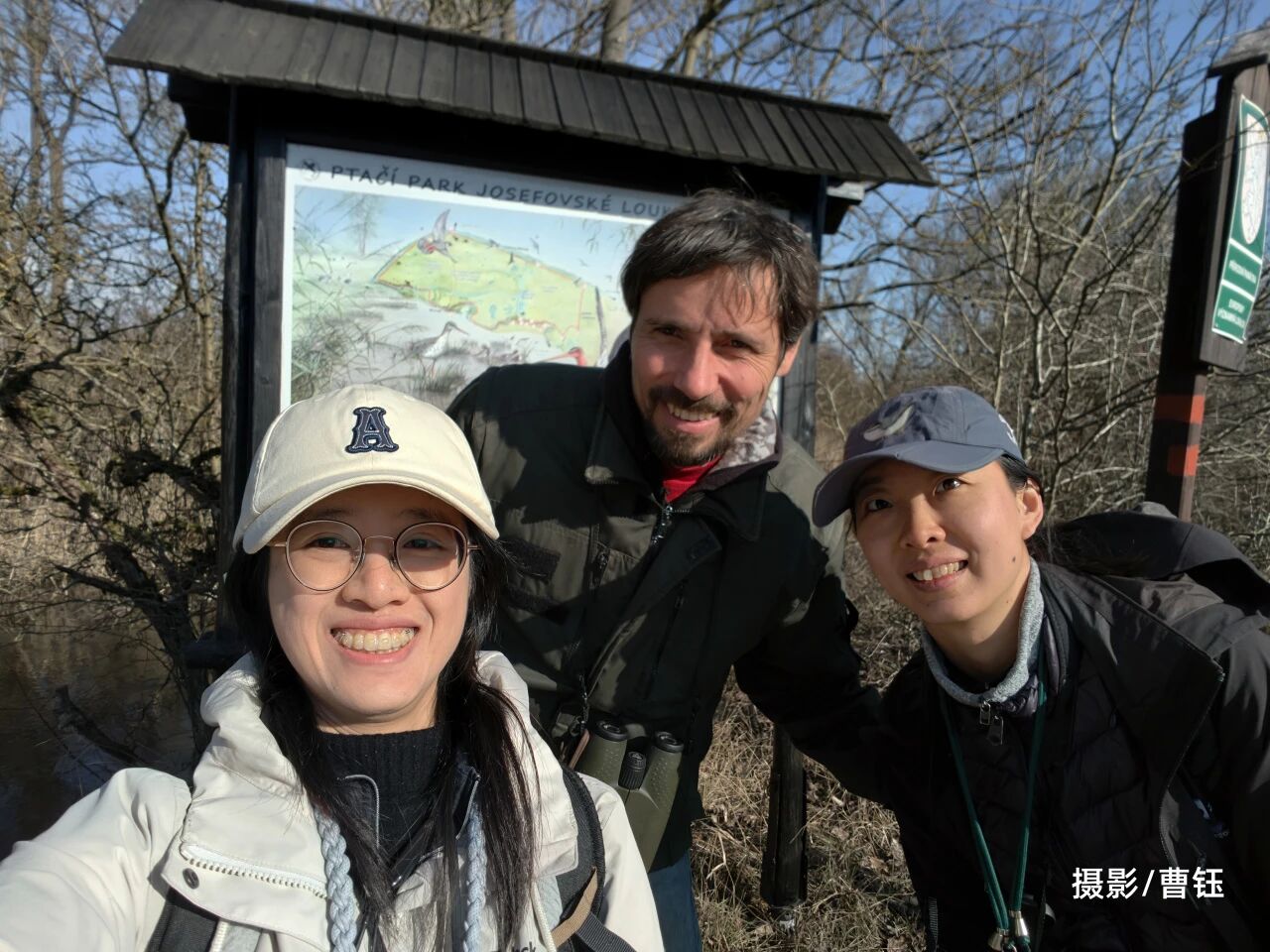 Photo of Shan Shui Colleagues and Břeněk Michálek