- Details
- News
- Video
- Report
With the rapid pace of urbanization, land in and around cities is facing increasing and sustained pressures from human activities. Shan Shui Conservation Center has gradually recognized that densely populated urban and peri-urban areas, including the North China Plain, the Yangtze River Delta, and the Pearl River Delta, also hold significant biodiversity conservation value. These areas represent an important opportunity to expand biodiversity conservation efforts in China. They offer potential for implementing Other Effective Area-Based Conservation Measures (OECMs), thereby contributing to the implementation of the “30 by 30” target under the Kunming–Montreal Global Biodiversity Framework.
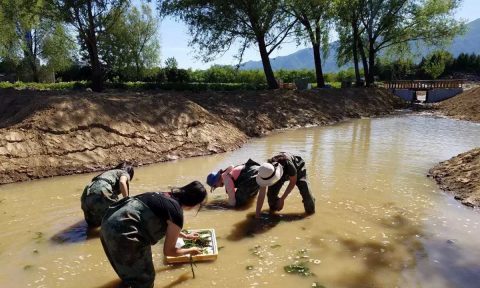
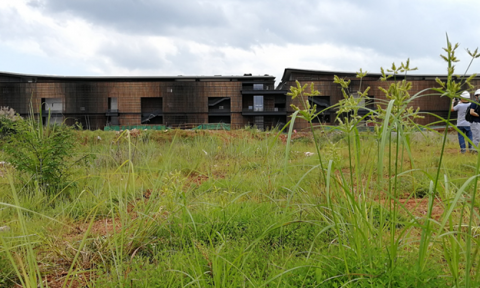
At the same time, urban residents are showing growing interest in biodiversity and increasing demand for the benefits and services provided by healthy ecosystems. In response, SSCC has begun exploring the development of Nature-Positive Coexistence Areas in places not primarily managed for biodiversity conservation, including urban parks, sports facilities, school campuses, residential communities, factories and businesses, farmland, and plantations. These initiatives aim to conserve and restore biodiversity in human-dominated ecosystems while encouraging and guiding public participation in biodiversity surveys, conservation, and restoration through citizen science. Together, these efforts explore ways for people and wildlife to coexist and foster positive interactions between urban ecosystems and city residents.
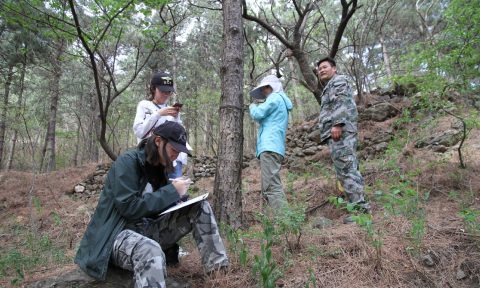
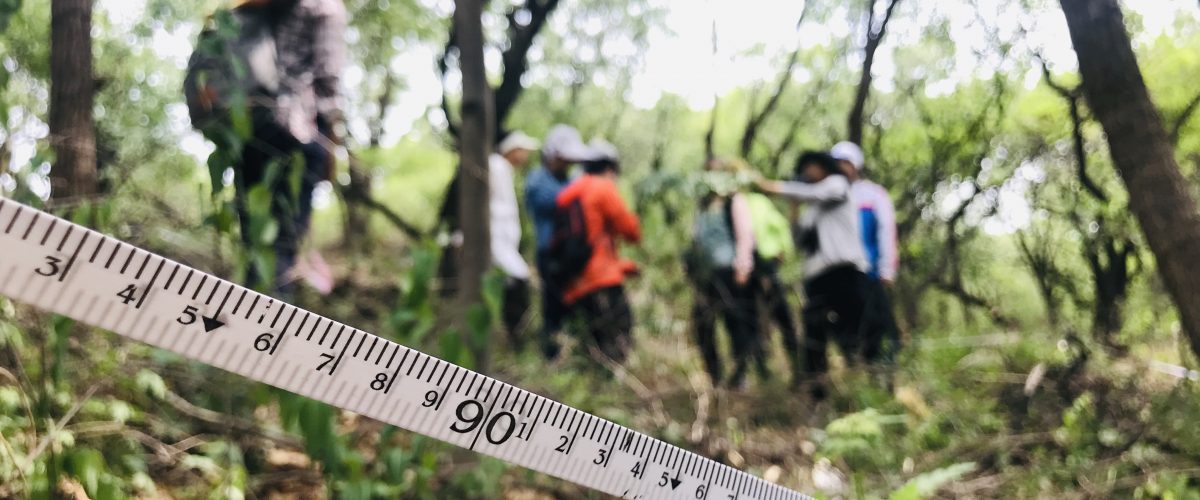
Citizen science refers to scientific research conducted by members of the public in collaboration with, or under the guidance of, researchers and scientific institutions. Through citizen science projects, participants can learn scientific concepts and knowledge relevant to the research, while researchers can collect more data with the help of participants, enabling more comprehensive and accurate analyses. Citizen science activities also provide an effective way to engage urban residents in understanding and participating in nature conservation.
By the end of 2025, SSCC had worked across 46 urban project sites. Of these, 16 had implemented conservation management or restoration measures, 15 were conducting ongoing monitoring and surveys, and 23 continued to maintain ecological conservation and management practices after Shan Shui’s direct involvement had ended.
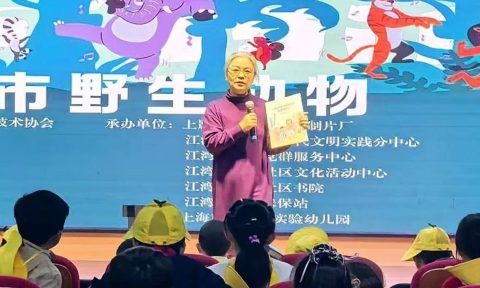
Shanghai Urban Wildlife Outreach Event Inspires Y...

2025 annual Raccoon Dog Census release event was held...
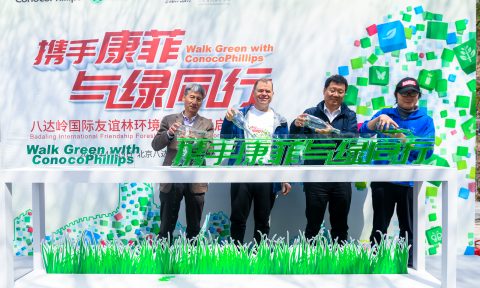
Celebrating 21 Years of Friendship in the Forest
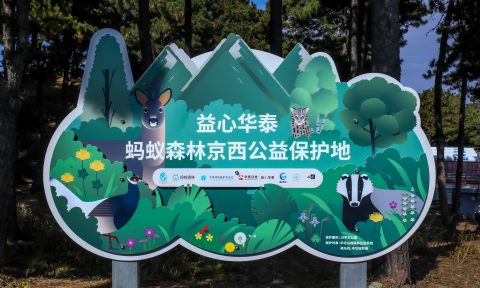
Jingxi Charitable Protected Area was Launched on A...